

01
Field asset
Tubular / equipment / instrument
Oil, Gas & Energy Assets
Since 2019, REAOX has developed RFID solutions for oil, petrochemical, and energy assets, covering tubulars, equipment, vehicles, and oilfield installations where ordinary tags cannot provide reliable identification.
Oil and gas RFID starts with a durable asset identity that keeps tubulars, equipment, vehicles, and oilfield installations identifiable through inspection, maintenance, field transfer, and long service lives.
In plain terms, RFID gives each field asset a digital identity that does not depend on a manual ledger. This includes drill pipe, tubing, pumping units, vehicles, and oilfield installations.
Ordinary RFID tags often fail under harsh field conditions. REAOX engineers industrial-grade RFID identification that remains readable under those conditions.
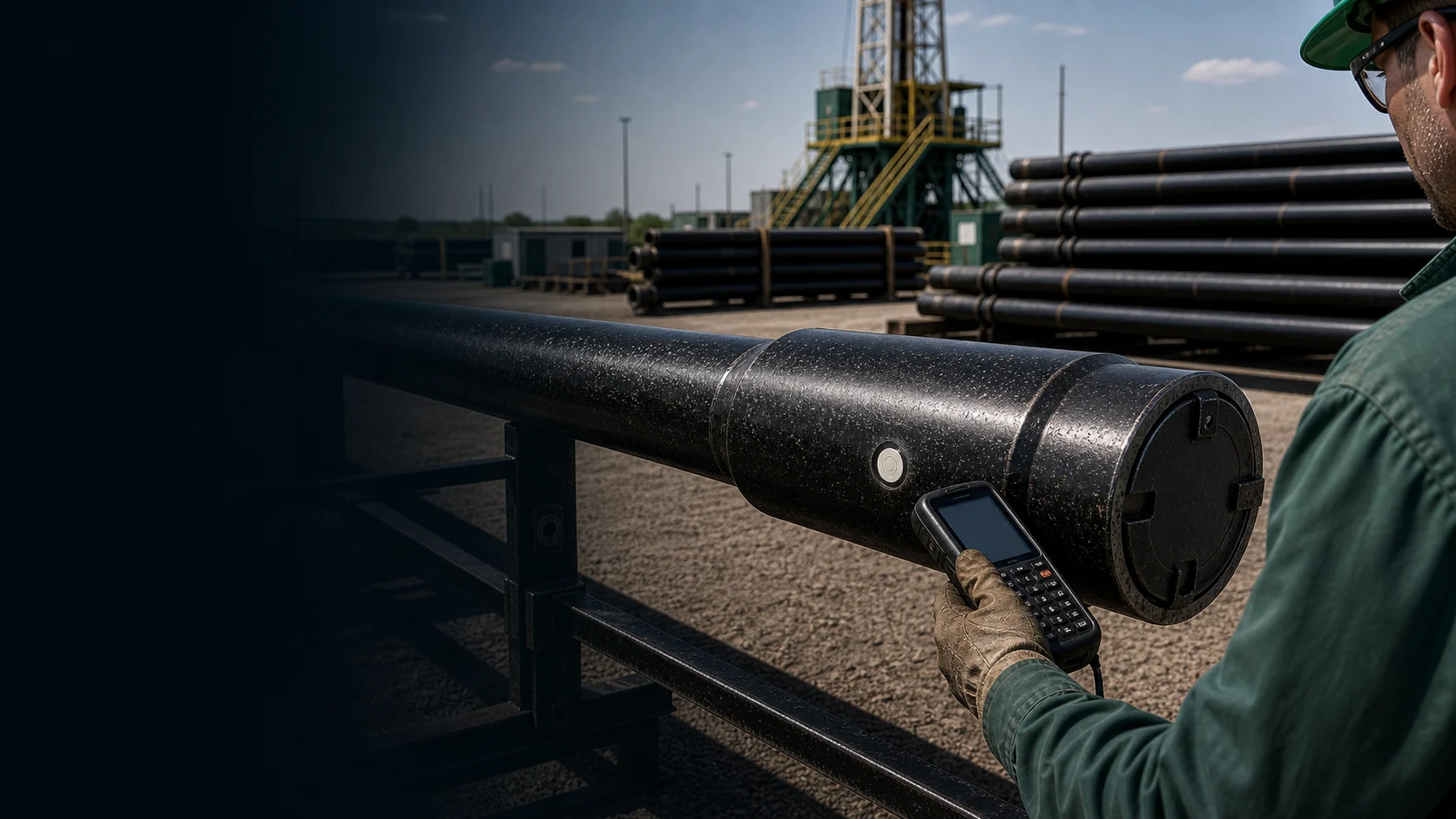
01
Tubular / equipment / instrument
02
On-metal / high-temperature
03
Handheld / fixed point
04
Full lifecycle
From paper ledgers to a system that still cannot connect equipment, materials, and tubulars to their real field history, see which situation looks like yours.
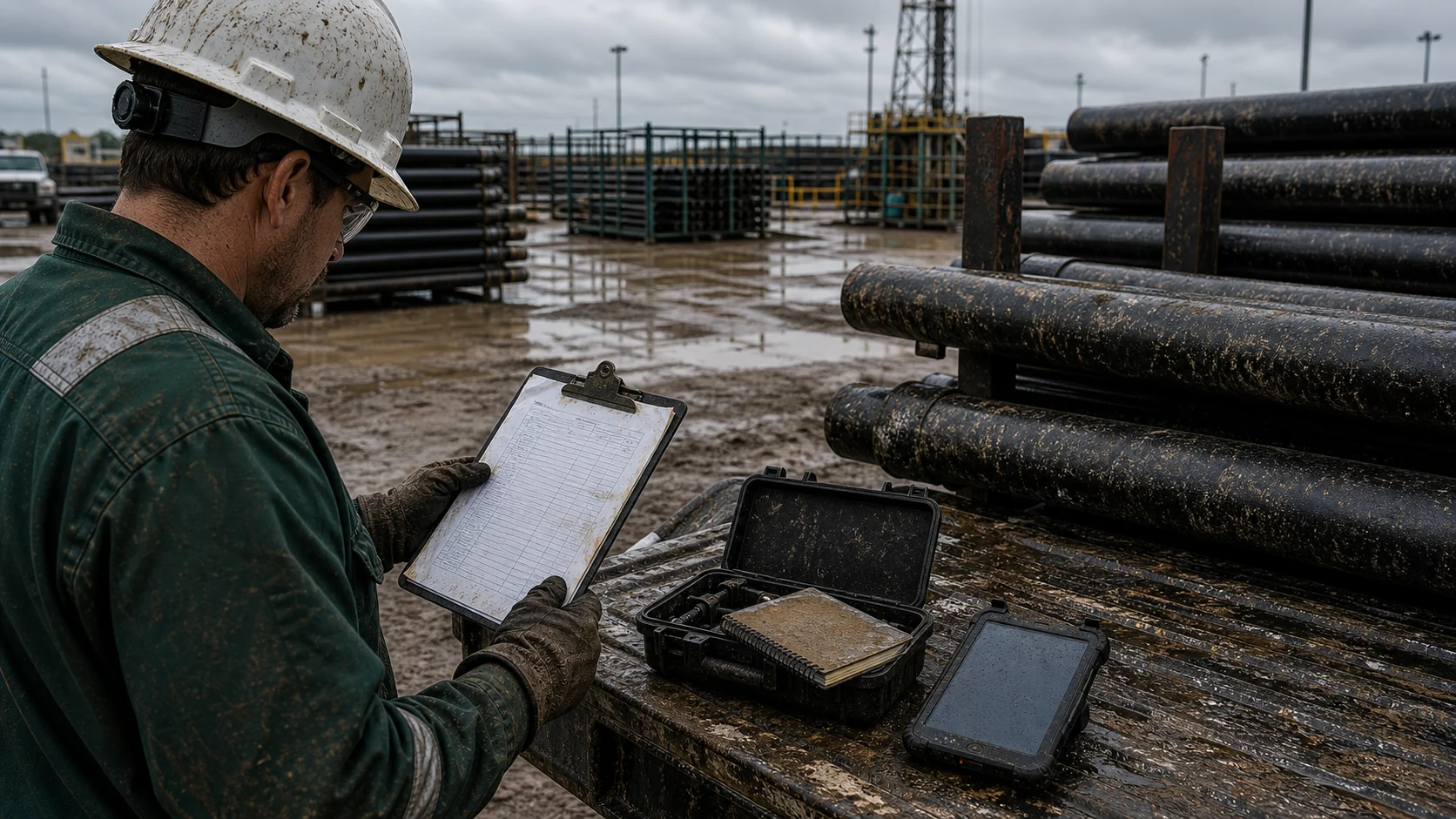
Still on paper ledgers, spreadsheets, or manual records
When records trail the work, the system stops reflecting the field.
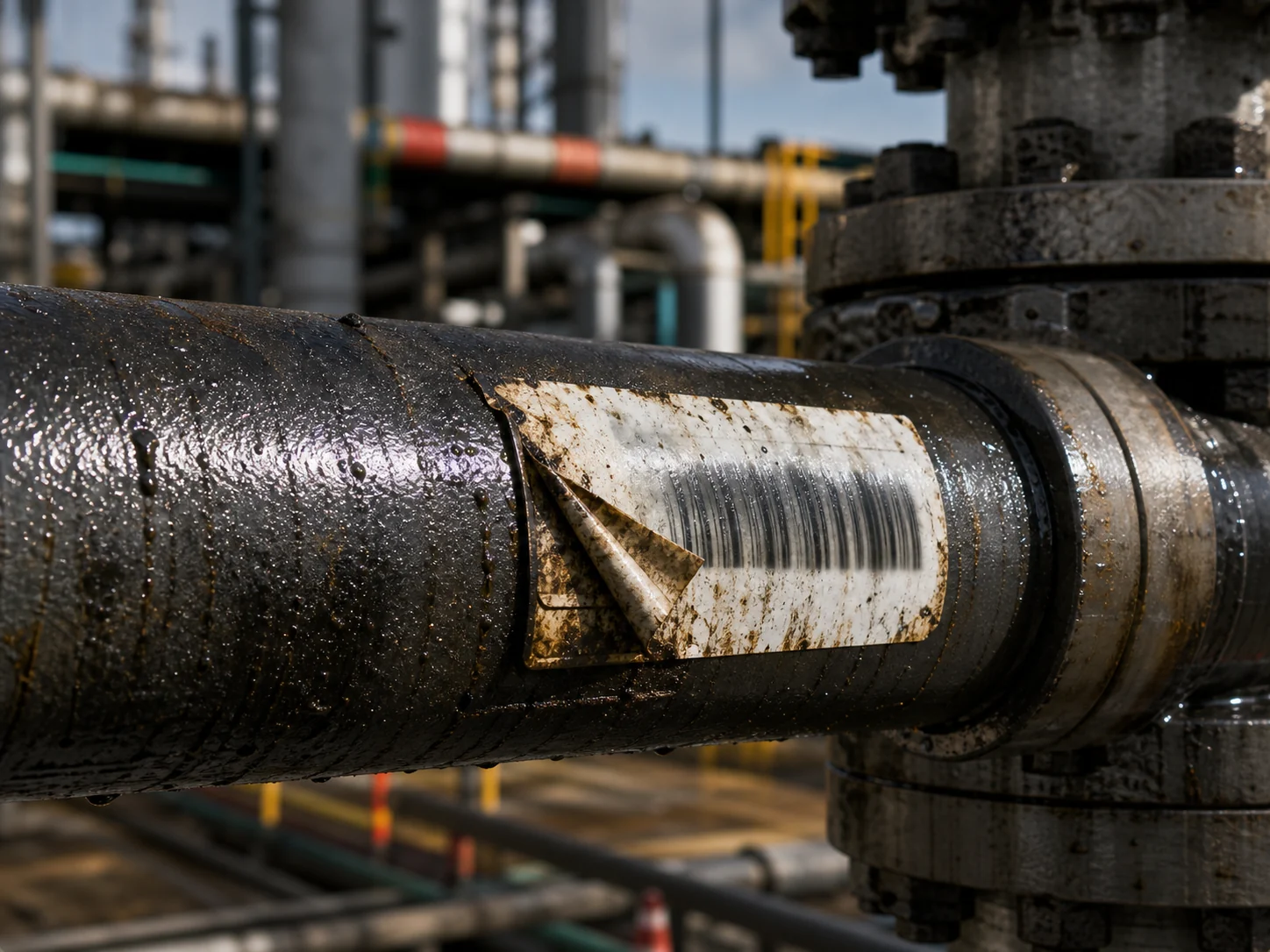
Tried barcodes or off-the-shelf RFID, but encountered field failures
The failure is often the tag implementation, not RFID itself.
Already on a system, but each asset's history still breaks
The record must follow the physical asset, whether it is a tubular, pumpjack, cabinet, instrument, vehicle, oilfield installation, or pump.
This approach is already in place for instrument tracking and management at Sinopec Shengli Oilfield. See the reference →
Close proximity to metal, high temperatures, vibration, impact, hazardous atmospheres, and long asset service lives create some of the most demanding conditions for RFID. REAOX approaches these projects as lifecycle identification engineering, not ordinary tag selection.
Oil and gas projects usually start from asset geometry and field workflow: tubular structure, instrument housing, tag protection, antenna placement, handheld routes, and hazardous-zone certification requirements.
Android-based explosion-protected terminal for asset tracking in hazardous areas, certified to China's GB/T 3836 requirements. International certification requirements are reviewed by target region.
Industrial RFID tags rated for -40°C to +200°C, suitable for high-temperature asset identification.
Patented sealed RFID nameplate solution for oilfield instruments and long-life equipment.
Drill pipe, tubing, couplings, downhole tools, pumping units, electrical cabinets, instruments and meters, vehicles, oilfield installations, oil and water pumps, valves, and field materials all require different tag packaging, mounting protection, and read-zone planning. The practical starting point is not a single standard tag, but an engineered identification method for each asset class and its movement through storage, field use, inspection, maintenance, repair, site transfer, and retirement.
Tubular identity
The tag is planned around the pipe or coupling structure so each tubular can carry a unique identity record. For new tubulars, initialization can happen before delivery; for existing stock, tagging can be introduced during cleaning, repair, or refurbishment workflows.
Field asset identity
Pumping units, electrical cabinets, instruments and meters, vehicles, oilfield installations, oil and water pumps, valves, spare parts, and returnable field assets can use sealed RFID nameplates, on-metal tags, or protected mounting. This connects location, custodian, inspection, maintenance, repair, transfer, and disposal records to the physical asset.
Read workflow
Handheld devices support receiving, dispatch, route inspection, maintenance, search, and exception checks. Fixed read points can be used at yard gates, workshops, storage areas, vehicle lanes, or wellhead workflows when automatic capture is more reliable than manual entry.
Tubulars may need protected embedded tags; instruments and cabinets may use sealed RFID nameplates; vehicles, oilfield installations, pumps, valves, and materials may require on-metal tags, rugged housings, or protected mounting based on exposure and read distance.
Metal curvature, mounting depth, tag orientation, antenna polarization, operator access, and surrounding steel all affect the final RFID design.
The current explosion-protected terminal is certified to China's GB/T 3836 requirements. ATEX, UL, and CSA requirements must be reviewed by target region before specifying equipment for a hazardous area.
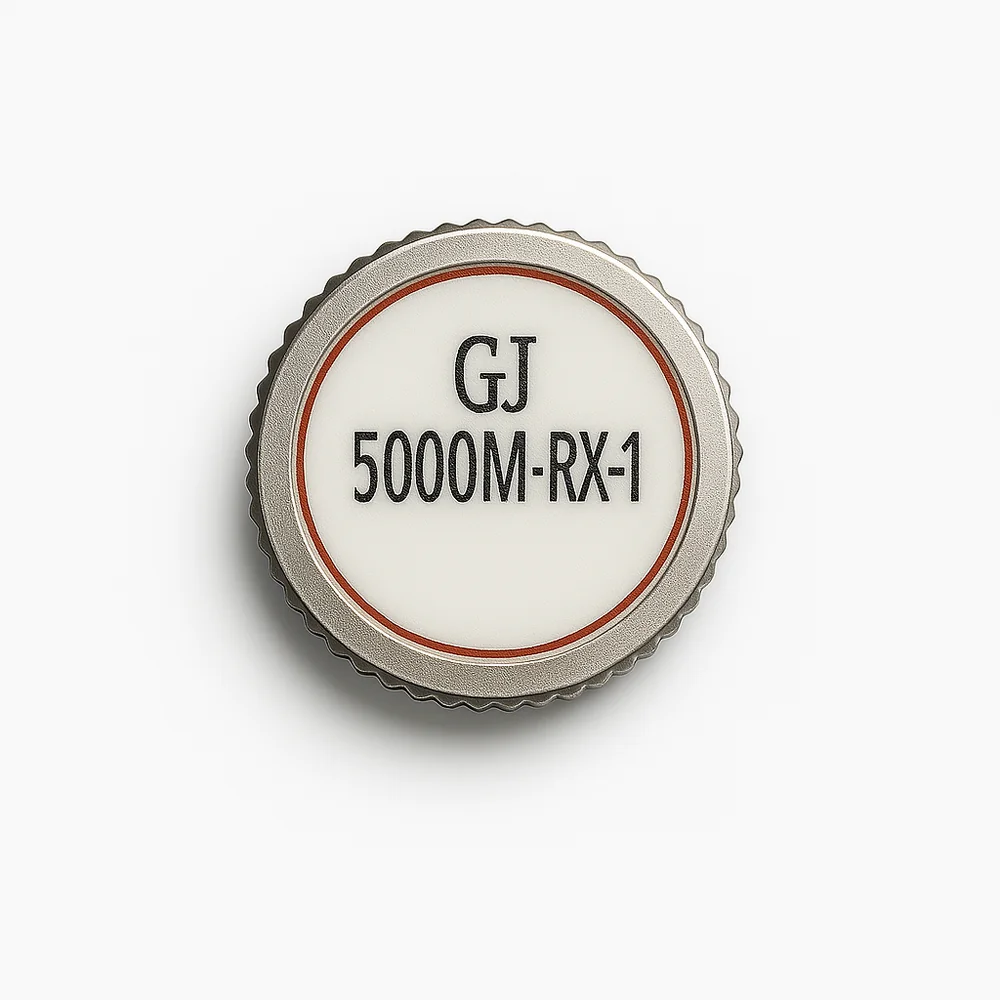
Industrial RFID tag packaging is reviewed against the coupling area, metal boundary, impact exposure, and protected mounting method.
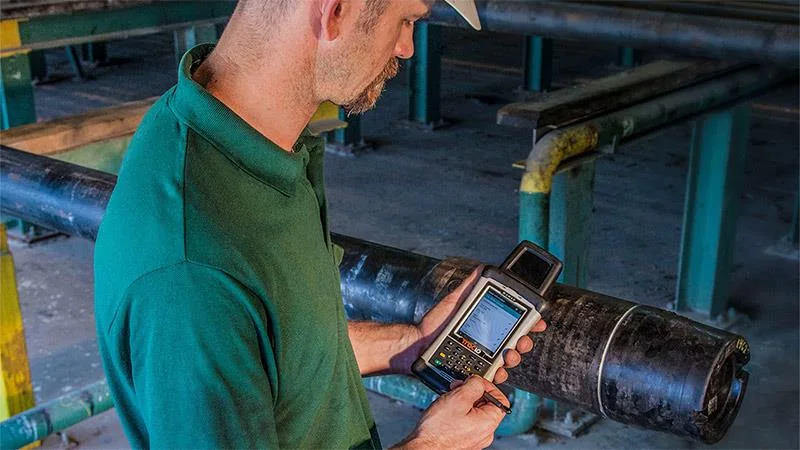
Field operators can use rugged handheld devices for receiving, dispatch, maintenance, and exception checks when tubulars move between yards and work sites.
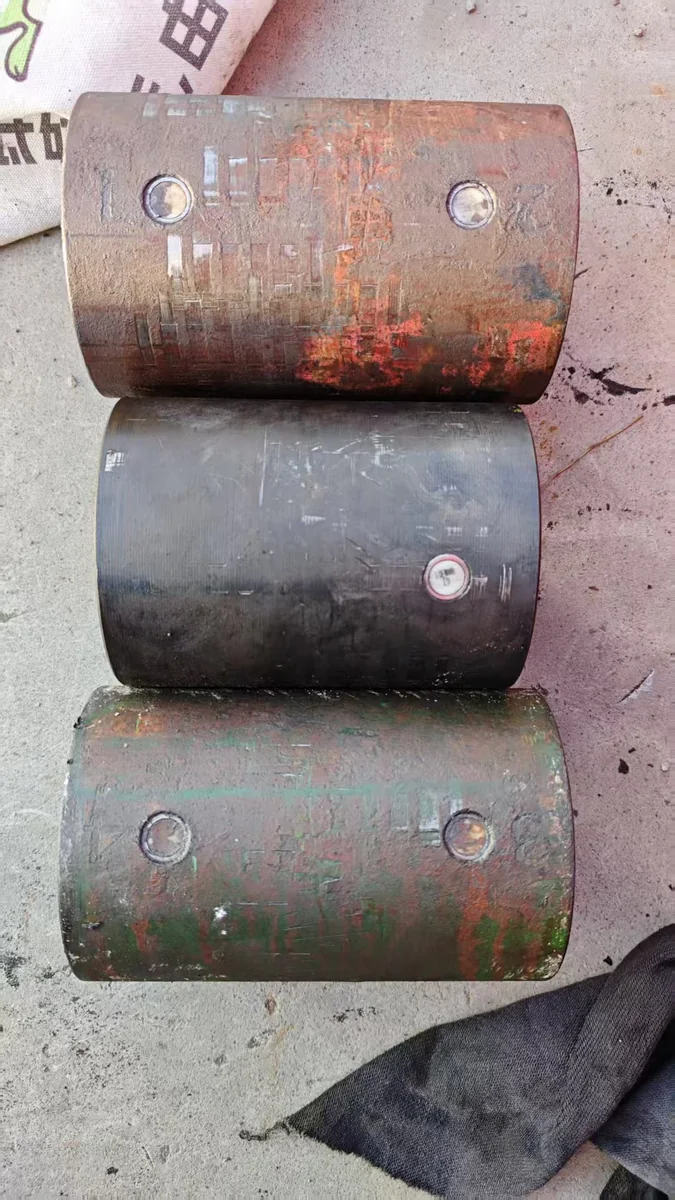
High-pressure, salt-spray, and post-test read checks help confirm whether the tag remains usable after exposure to oilfield operating conditions.
Public field video with English captions shows wellhead RFID recognition during tubular running and pulling operations.
Images and site inputs help clarify asset geometry, exposure, operator access, and whether mobile or fixed reading is more practical.
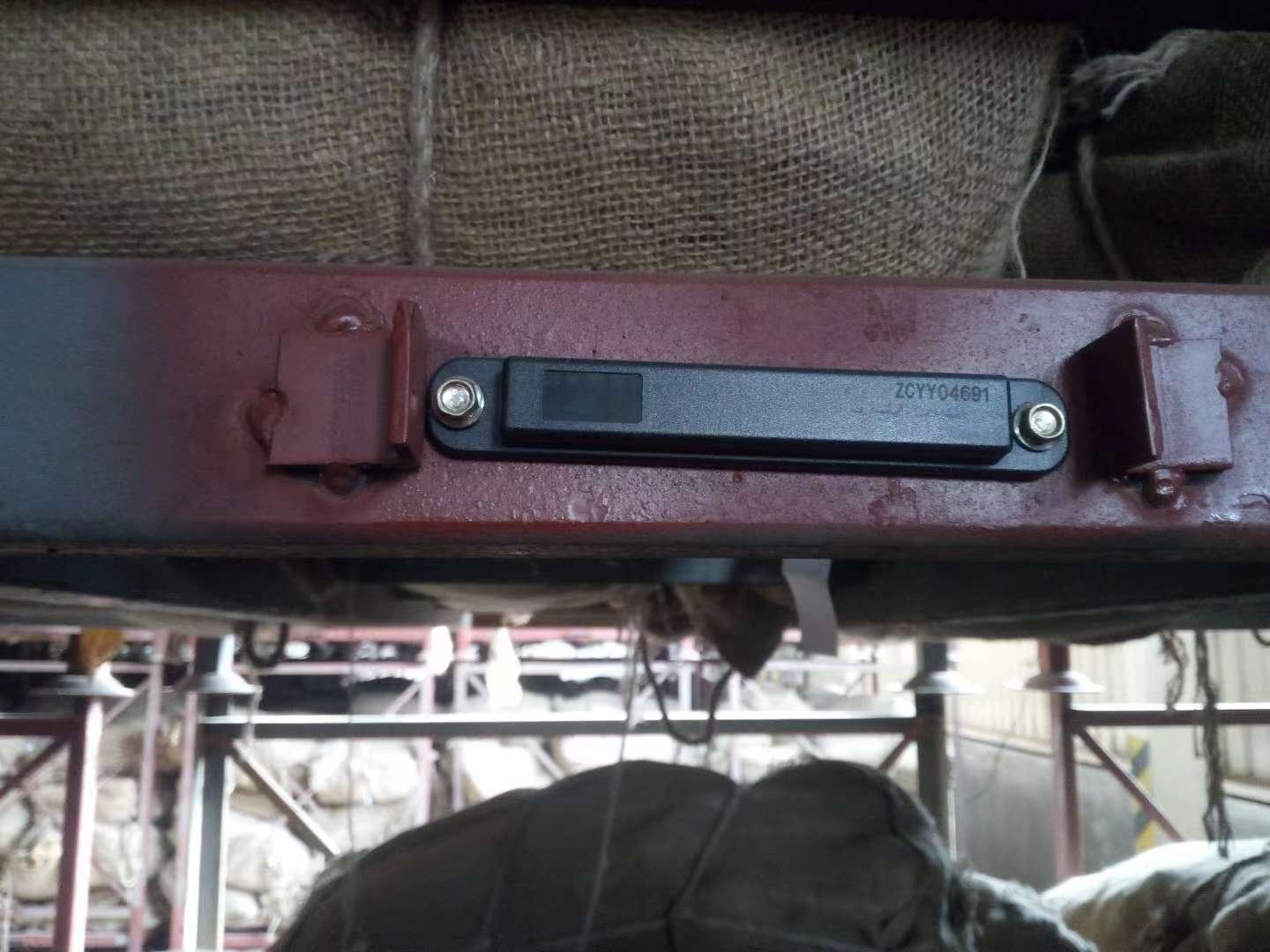
Metal assets require tag selection based on surface, heat, mounting method, and lifecycle rather than ordinary label assumptions.
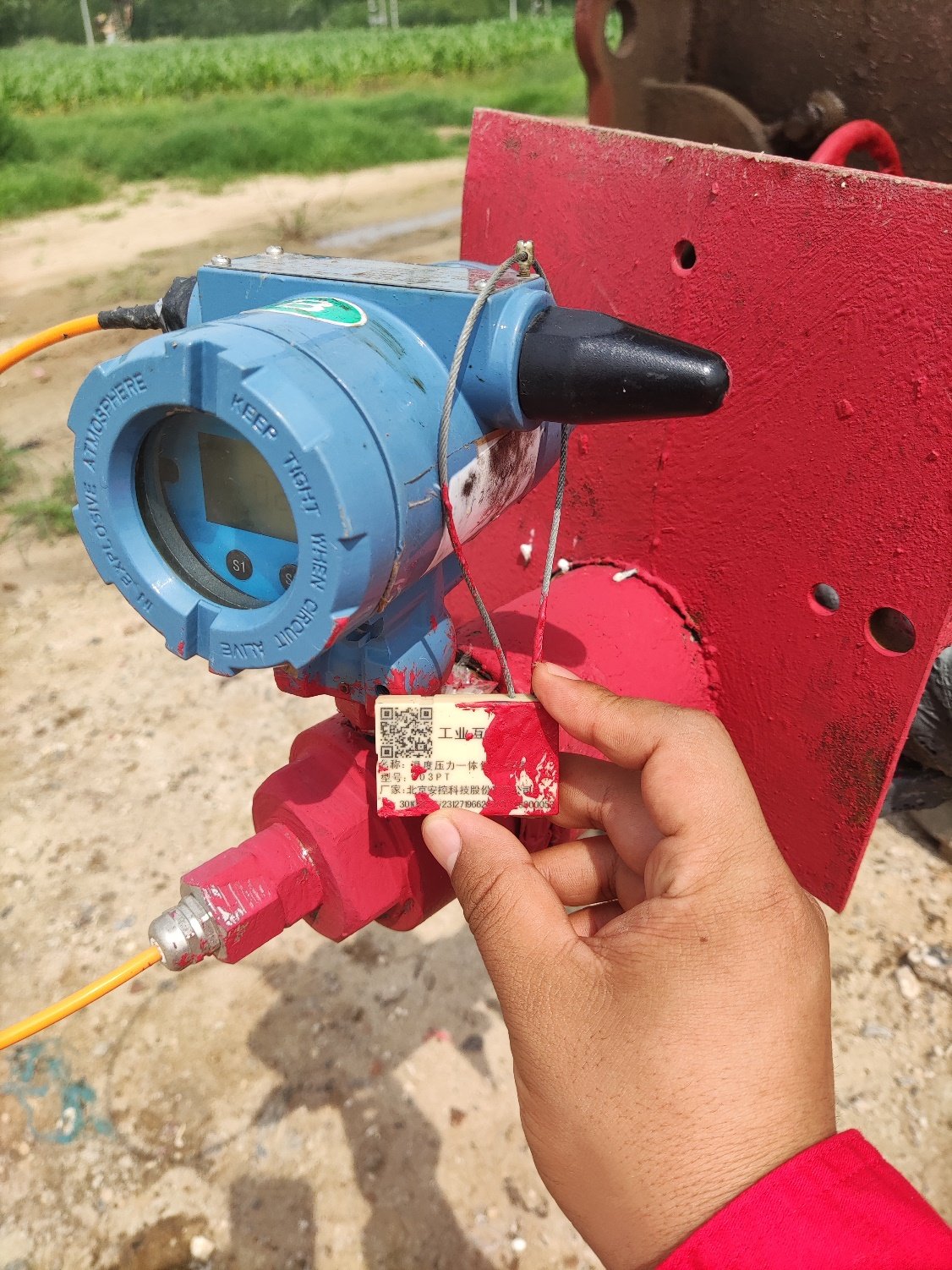
Mobile terminals support inspection, search, transfer, and exception checks when assets move between yards, workshops, and field sites.
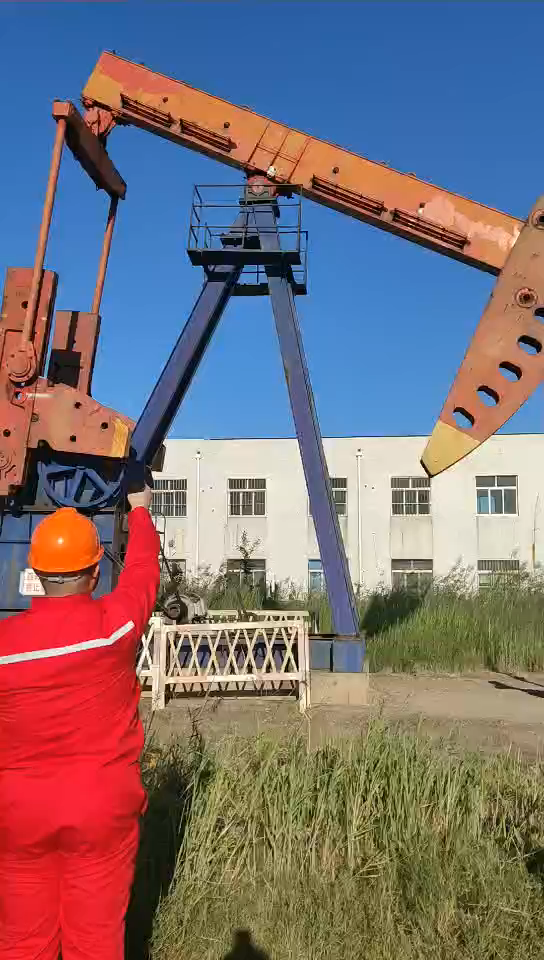
Oilfield RFID review must account for the actual asset site: equipment geometry, outdoor exposure, operator access, and inspection rhythm.
These models are practical entry points. Final selection still depends on asset material, tag packaging, read-zone geometry, and certification path.
Before shortlisting, confirm the asset class, material, mounting method, temperature range, read-zone geometry, antenna count, interface, installation environment, target system, and whether the workflow covers tubulars, fixed equipment, vehicles, oilfield installations, pumps, instruments, or materials.
Mobile UHF reading for field asset verification, inspection, and search workflows.
View specsIP65 fixed-reader option for outdoor or rugged read points where the antenna, enclosure, and installation geometry must be reviewed together.
View specsAntenna reference for controlled UHF read-zone planning where polarization, mounting, and field shape affect field-asset reads.
View specsOn-metal, high-temperature, and sealed-nameplate tags are validated against asset material, mounting conditions, and lifecycle exposure.
View specsPublic References
Sinopec Shengli Oilfield is the named public oil & gas reference for REAOX: patented industrial-grade sealed RFID nameplates deployed for instrumentation tracking and management. Additional oil & gas references are handled through controlled project discussions.
Project discussions can move faster when the team can share asset type, mounting limits, read workflow, and the certification region early.
For energy and field-asset projects, the review focuses on whether the RFID identification method can remain reliable throughout the asset lifecycle under actual site conditions.
Public Sinopec Shengli Oilfield instrument tracking and management reference scope
On-metal, ceramic, and sealed-nameplate tag selection criteria
Read-zone, antenna, handheld, and inspection workflow inputs
Certification-path notes for GB/T, ATEX, UL, or CSA review
Detailed oil and gas materials are reviewed during controlled project discussions after the asset type, operating environment, and certification region are confirmed.
It usually starts with a project discussion: clarifying asset types, materials, mounting, read zones, and site conditions, then validating tags and read points on a small scope before deciding how to expand.
Yes, on a per-project basis. The RFID layer delivers reliable field identity data to your asset or business systems; interfaces and workflows are defined around your environment during the project discussion.
The current explosion-protected terminal is certified to China's GB/T 3836 requirements. ATEX, UL, and CSA requirements are assessed by target region and clarified during project review.
Yes. Most projects start by giving the highest-priority assets a digital identity and a defined read workflow, then extend the method to other asset classes after validation.