
Exception-based receiving and dispatch
Incoming, outgoing, return, and transfer batches need fast exception-based confirmation instead of manual line-by-line scanning.
Warehousing & Distribution
REAOX helps warehouse teams verify inbound and outbound batches, track reusable carriers, resolve exceptions faster, and turn RFID reads from fixed readers, handhelds, antennas, and mixed hardware fleets into WMS or ERP-facing movement events.
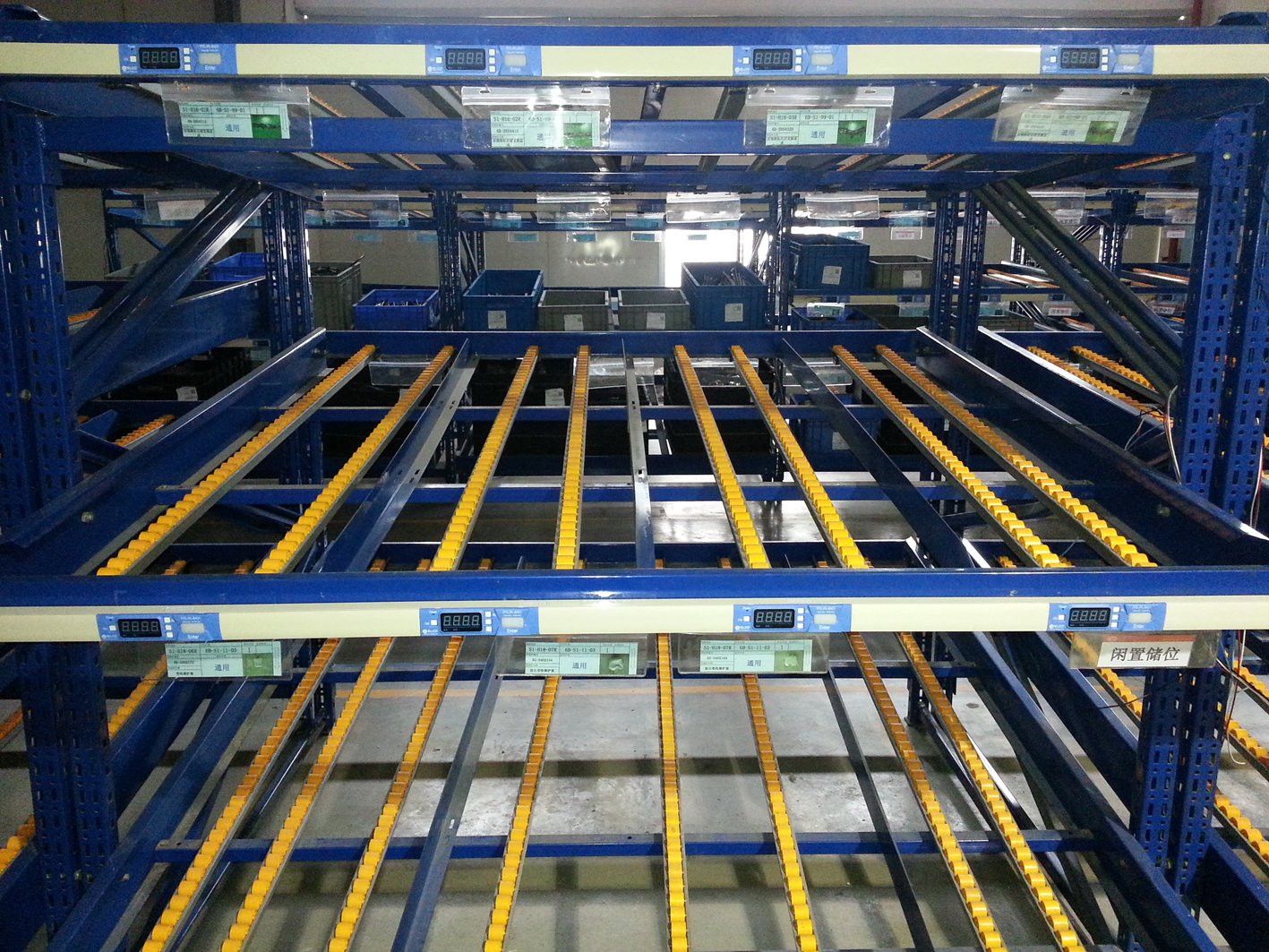
Warehouse RFID work centers on movement, staging, reusable containers, and WMS-facing RFID events.
The practical value is a cleaner movement record: confirming that a batch, cage cart, tote, package, or reusable carrier moved through the right receiving, staging, dispatch, return, or audit point, then sending an exception-based event to the system of record.
Incoming, outgoing, return, and transfer batches need fast exception-based confirmation instead of manual line-by-line scanning.
Cage carts, turnover boxes, totes, packages, and trays create value when every movement can be confirmed without slowing the operator.
Warehouses often use multiple reader brands. Middleware normalizes read events before the WMS, ERP, or custom dashboard consumes them.
RFID events only matter when they reconcile cleanly with the warehouse, ERP, logistics, or inventory system of record.
Start with the receiving, staging, dispatch, return, or audit event that must be verified. Reader placement, tag choice, exception handling, and system handoff should follow that operating event.
01
Multi-port readers and antennas for dock doors, staging points, cabinets, and controlled logistics checkpoints.
02
Handheld terminals for transfer verification, item search, route checks, and exception resolution away from fixed checkpoints.
03
Project patterns for cage carts, turnover boxes, packages, trays, and other carriers that need lifecycle movement records.
Actual warehouse conditions help determine where fixed read zones are practical, where handheld checks remain necessary, and how reusable carriers should be identified.
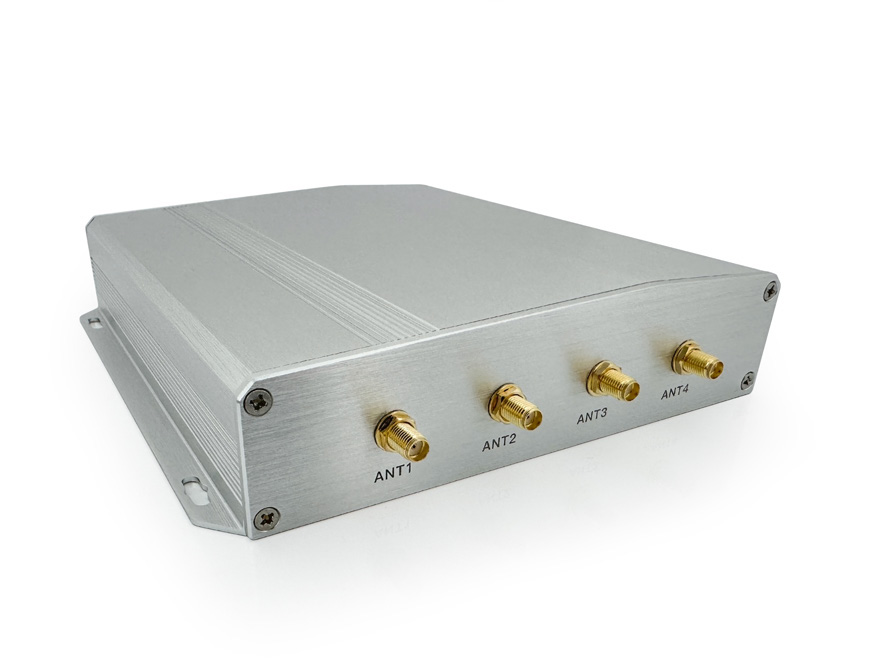
Multi-port UHF readers support dock doors, cabinets, tunnels, and structured warehouse read zones.
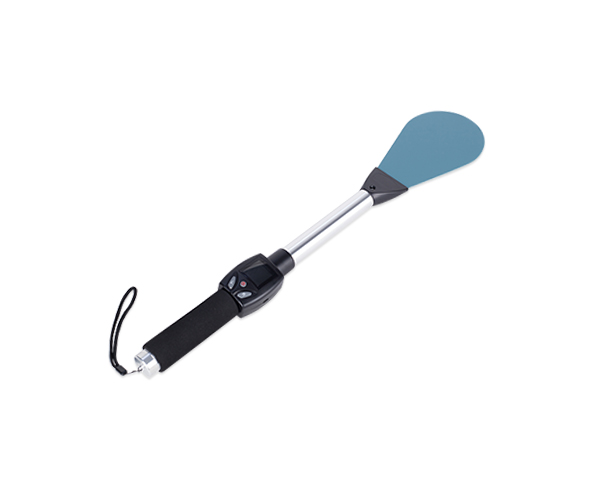
Handheld readers help operators verify transfers, locate assets, and resolve exceptions away from fixed checkpoints.
Dense batch checks can be evaluated with shielded equipment, fixed readers, or staged read zones depending on the carrier, tag, and workflow.
These models provide a practical selection path. Final choice depends on portal geometry, carrier material, throughput, read distance, network access, and WMS or ERP integration requirements.
Fixed-reader option for dock doors, cabinets, receiving points, and warehouse read zones that need an integrated rugged unit.
Confirm before shortlisting
Confirm read-zone geometry, antenna count, tag type, interface, installation environment, and target system.
Mobile verification for audits, item search, exception handling, and transfer checks.
Confirm before shortlisting
Confirm operator workflow, read range, barcode needs, operating system, battery life, and site connectivity.
Antenna reference for shelves, panels, dock reads, cabinets, and controlled warehouse read surfaces.
Confirm before shortlisting
Confirm reader pairing, shielding, polarization, mounting angle, tag orientation, and installation geometry.
Reusable containers, cage carts, packages, and trays are matched to tags and read zones after the workflow is confirmed.
Confirm before shortlisting
Confirm material, mounting method, temperature, read distance, surface, and lifecycle before shortlisting.
Public References
REAOX has provided RFID devices, tags, and solution support for tobacco-industry logistics scenarios, including Shijiazhuang Tobacco, Zhucheng Tobacco, and Honghe Tobacco. Scope included industrial-stage cigarette-package and cage-cart management, plus commercial-stage cage-cart and turnover-box workflows. REAOX also supported JD's R&D team with smart-warehouse management solution concepts. Detailed case materials can be reviewed during project discussions.
A process map, carrier samples, target throughput, exception rules, and interface requirements allow the team to assess feasibility without over-specifying hardware too early.
For warehouse and logistics buyers, review starts by mapping the movement point, then connecting tags, readers, antennas, handhelds, and middleware events to receiving, dispatch, return, carrier-control, WMS, or ERP decisions.
Tobacco logistics experience summary and named-public reference scope
Reusable container, cage-cart, tote, and package workflow questions
Fixed reader, handheld, antenna, and tag shortlist assumptions
WMS / ERP event handoff and exception-handling discussion points
Warehouse references can be discussed in more detail during project review. The public summary focuses on RFID movement visibility, reusable-container workflows, and WMS handoff.