
01
Identify the object
Part / WIP / carrier / tool
Industrial Manufacturing
Identify parts, work in progress, carriers, tools, packaging, and equipment as they move through production, then pass validated station events to traceability, quality, MES, ERP, or asset-management systems.
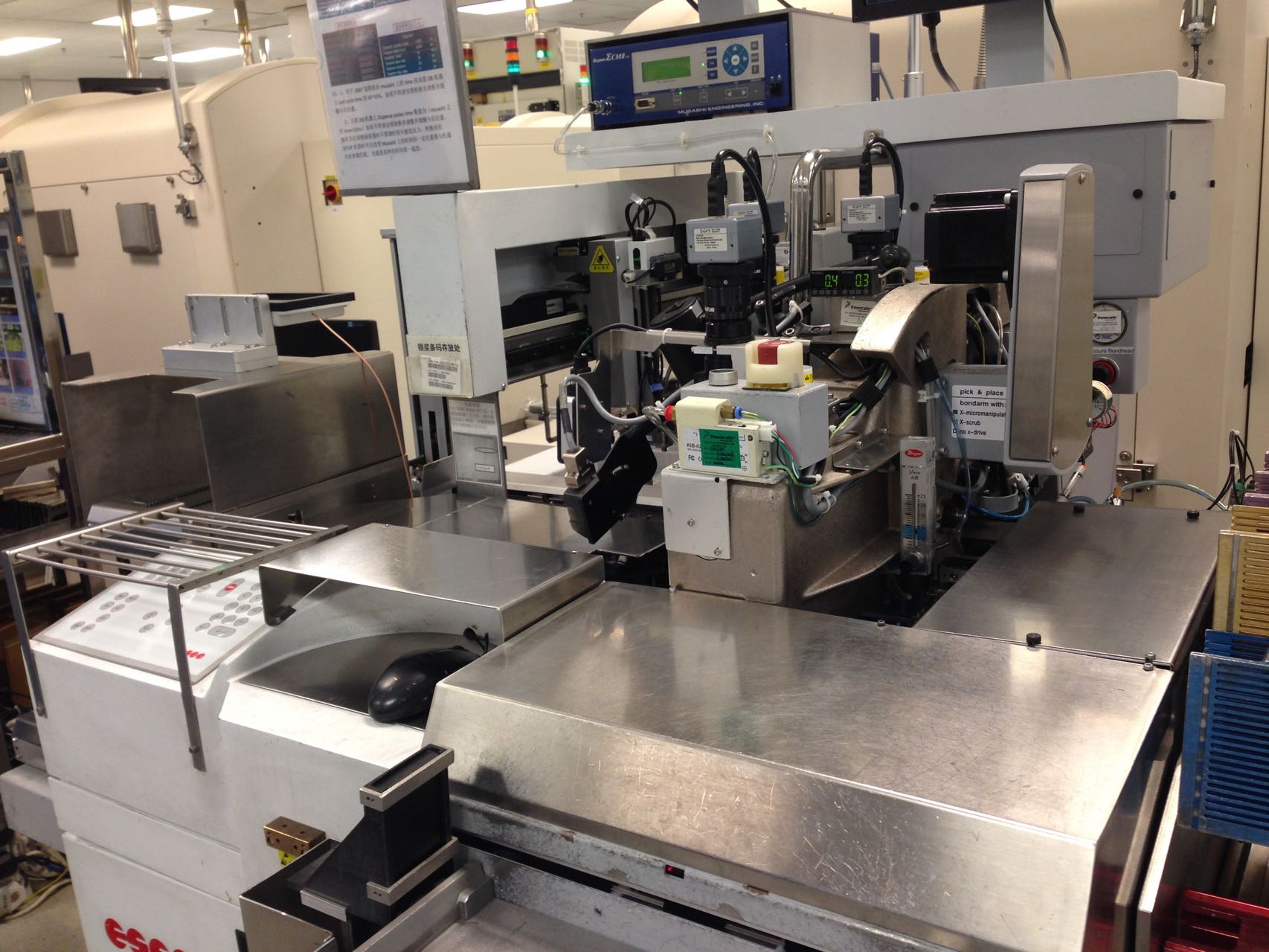
The objective is straightforward: the right object, captured at the right station, recorded in the right system.
RFID gives parts, wafers, WIP carriers, tools, fixtures, packaging, and equipment a machine-readable identity that can be captured without line-of-sight scanning.
A useful station does more than report an EPC. It confirms what happened, where it happened, and which production record should change.
01
Part / WIP / carrier / tool
02
Tag / antenna / fixture / shielding
03
Arrive / inspect / transfer / complete
04
Traceability / quality / MES / ERP
The break may begin with manual capture, an uncontrolled read zone, or an RFID observation that never becomes a usable production event.
01
Manual entry and barcode scanning still interrupt the process
When identification depends on operator action, traceability quality varies with workload, access, contamination, and cycle time.
02
Tags can be read, but station results are inconsistent
Uncontrolled read zones create missed reads, duplicate events, cross-reads from adjacent objects, and uncertain process timing.
03
RFID data exists, but production records are still disconnected
The event must identify the object, process step, time, result, and exception state in terms the production system can use.
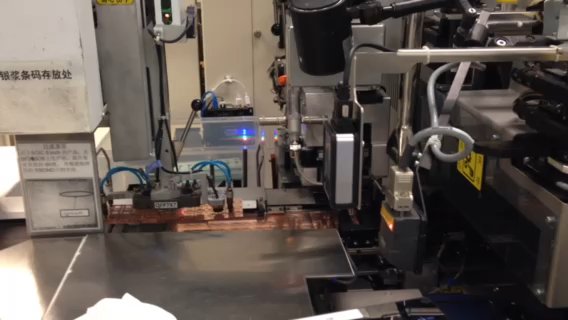
REAOX previously supported wafer and integrated-circuit production traceability at NXP Tianjin with custom RFID hardware and protocols. Review the experience →
Motion, metal, shielding, heat, vibration, short dwell time, adjacent objects, and machine timing all affect RFID performance. The objective is not the highest possible read count, but a controlled read zone that produces the correct event without misses, duplicates, or unintended reads.
A reliable station combines the right tag, reader, antenna, shielding, fixture, trigger logic, and host interface. Hardware selection follows the production event the station must create.
01
Readers, antennas, shielding, fixtures, sensors, and trigger logic define a controlled zone for repeatable production events.
02
Reader modules can be integrated into machines, inspection equipment, cabinets, and OEM products where enclosure, power, I/O, and protocol are project-defined.
03
Tag packaging and mounting are selected for the object material, temperature, process exposure, expected service life, and station read zone.
A manufacturing RFID solution should preserve one continuous relationship between the physical object, the station action, and the digital production record. The architecture begins with the event definition and works backward to tags, antennas, readers, fixtures, and interfaces.
Object identity
Parts, wafers, WIP carriers, tools, fixtures, packaging, and equipment have different materials, mounting limits, temperatures, and lifecycles. Tag design must follow the object and its process exposure.
Station event
Antenna geometry, shielding, fixtures, sensors, PLC signals, dwell rules, and filtering establish when an observation becomes a valid arrival, inspection, transfer, or completion event.
System record
Middleware or machine-side software maps the RFID identity to a work order, route, batch, quality result, WIP state, or equipment record before the event is handed to MES, ERP, or another host system.
Target read rate, false-read tolerance, object spacing, line speed, dwell time, and exception behavior should be defined before hardware is finalized.
Sensors, PLC triggers, interlocks, and process states determine when a read is valid and prevent duplicate or out-of-sequence events.
MES and ERP integration should specify the business event, required fields, acknowledgement, retry, and exception handling rather than forwarding raw tag reads.
Real equipment geometry, mounting space, object flow, and material conditions provide more useful design evidence than a standalone reader demonstration.
Reader modules support machine-integrated RFID where enclosure, power, antenna, protocol, and host interface are defined by the station.
Fixed readers, sensors, and station equipment create repeatable checkpoints for line-side verification and equipment-level data capture.
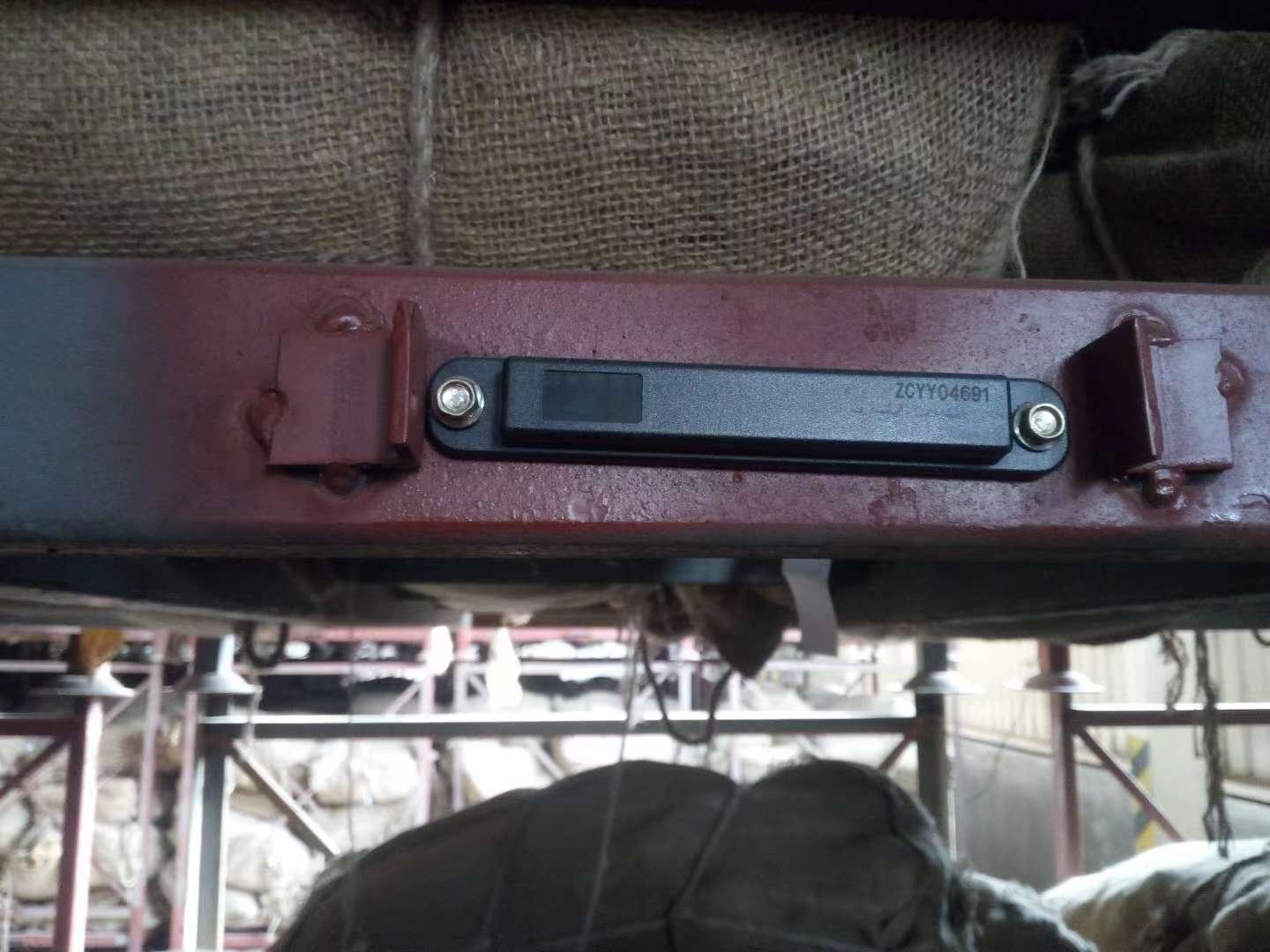
Industrial tags are selected by material, temperature, surface, mounting method, and the lifecycle of the identified item.
These models are practical engineering references. Final selection depends on read-zone geometry, object material, line speed, I/O, protocol, and integration scope.
Compact fixed-reader option for production checkpoints, equipment stations, and machine-side reading where installation space is constrained.
Confirm before shortlisting
Confirm read-zone geometry, antenna count, tag type, interface, installation environment, and target system.
Industrial reader option for higher-power fixed zones, cabinets, and multi-point production or asset-identification layouts.
Confirm before shortlisting
Confirm read-zone geometry, antenna count, tag type, interface, installation environment, and target system.
A module reference for custom RFID equipment, OEM devices, and machine-integrated reading workflows.
Confirm before shortlisting
Confirm enclosure limits, host interface, power budget, protocol needs, firmware scope, and certification constraints.
Tag recommendations depend on material, temperature, mounting method, lifecycle, and suitable operating environment.
Confirm before shortlisting
Confirm material, mounting method, temperature, read distance, surface, and lifecycle before shortlisting.
Public References
Years ago, REAOX helped what is now NXP's Tianjin factory implement wafer and integrated-circuit chip production-line traceability through custom RFID hardware devices and protocols. REAOX has also supported other industrial enterprises with RFID solution work. Industrial project discussions can connect this engineering history to specific readers, embedded modules, antennas, tags, installation geometry, and system-integration materials.
A station layout, object samples, cycle time, expected event, and interface requirements allow the team to move quickly from concept to measurable feasibility testing.
Manufacturing buyers need to know whether the RFID event can be captured inside the real station and handed to the right production system. These materials support engineering feasibility and pilot scoping around the station, reader, antenna, tag, fixture, and software event.
NXP Tianjin production-line traceability experience scope
Station geometry, dwell time, shielding, and material inputs
Reader, module, antenna, tag, fixture, and protocol review path
MES / ERP / quality-system event handoff assumptions
Detailed production-line cases are reviewed during engineering discussions because station geometry, protocols, and customer process details are often sensitive.
Start with the object and tag material, station layout, line speed or cycle time, object spacing, read window, mounting limits, available power and I/O, and the production event that must reach MES, ERP, quality, or another host system.
Yes, on a project basis. The interface may use reader APIs, middleware, machine-side software, PLC I/O, or the customer's integration layer. The event model, acknowledgement, retry, and exception rules are defined with the target system.
RF performance depends on the real object, material, motion, surrounding equipment, and station timing. A pilot establishes measurable read accuracy, false-read control, cycle-time impact, and system-event behavior before the design is replicated across the line.